We are using cookies to collect data that help us give you the best experience of our site, by continuing to use the site, you are agreeing to our use of cookies.
Read more


 0800 302 9344
 Info@targettrg.co.uk
5 Reflection Questions Every Manager Should Ask
- April 22, 2026

Reflection is one of the most powerful tools available to managers as I have discussed in my last couple of blogs.
What does it do?
It improves decision-making, strengthens leadership and supports continuous development. Yet in many workplaces, reflection does not happen consistently.
Managers are busy. Days move quickly. Conversations happen, decisions are made and work moves on.
Without reflection, learning is limited. We explore this on our coaching courses see here at our coaching services
The challenge is not understanding the value of reflection, it is knowing how to do it simply and consistently.
This is where the right questions make a difference.
In This Article You Will Learn
In this article, we explore five simple reflection questions managers can use to improve their leadership, build awareness and develop stronger teams. These questions can be used daily and require only a few minutes to make a meaningful impact.
Why Reflection Questions Work
Reflection becomes easier when it is structured and you notice how you question.
Rather than trying to reflect on everything, focusing on a small number of consistent questions helps guide thinking and build a habit over time is a great starter.
This is why many managers benefit from having a clear and practical approach.
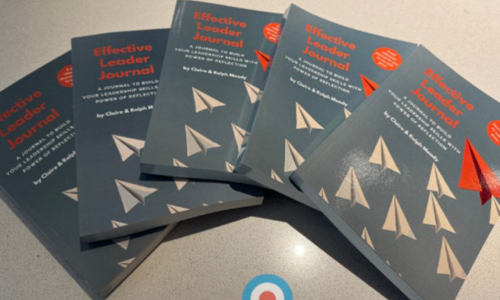
At Target Training Associates, we support this through our leadership and management reflective journals, where we have developed over 60 different journals, each with a specific focus and set of reflective prompts.
These are available on Amazon and are designed to help managers build reflection into their routine in a structured and manageable way.
Here is a link to the leadership journal, one of our top sellers - Leadership journal
The aim is not to add more work.
It is to make thinking clearer and more consistent by putting a focus to it.

1. What worked well today and why?
This question helps shift focus to what is already effective.
Managers often move quickly from one task to the next without recognising what is going well. By identifying positive actions and outcomes, leaders can build on strengths and repeat successful behaviours.
2. What could I have handled differently?
This question creates space for learning.
It encourages honest reflection without judgement. Managers can consider how they responded to situations, conversations or challenges and identify opportunities to improve.
3. What did I take on that I didn’t need to?
Managers often take on responsibility that could be developed within their team.
Reflecting on this helps identify where ownership could be shared, supporting both team development and more effective leadership.
4. What did I learn today?
Every day presents opportunities to learn.
This question encourages managers to capture insights, recognise patterns and build awareness over time. Learning becomes continuous rather than occasional.
5. What will I do differently tomorrow?
Reflection is most effective when it leads to action.
This question helps turn thinking into change. Even small adjustments can have a significant impact over time.
Making Reflection Part of Your Routine
These questions do not require long periods of time.
A few minutes at the end of the day is enough.
The key is consistency.
Using structured tools, such as leadership and management reflective journals, makes this easier. With over 60 different journals available, managers can focus on specific areas of development while maintaining a regular reflection habit.
Over time, reflection becomes part of how managers think and lead, rather than something they try to fit in. It is a missing link in managers and leaders, reflection is key, but you have to want to do it.
Frequently Asked Questions
How often should managers reflect?
Ideally, reflection should happen regularly. Even a few minutes each day can make a meaningful difference.
Do reflection questions really improve leadership?
Yes. They build awareness, support learning and help managers adjust their approach over time.
What if I don’t have time to reflect?
Reflection does not need to be time-consuming. Keeping it simple and consistent is more effective than occasional longer sessions.
How can I make reflection a habit?
Using the same questions regularly or structured tools such as reflective journals helps build consistency. Then reflect on your reflections. I really get into this on my coaching courses see my coaching services here
Final Thoughts
Reflection does not need to be complicated.
It needs to be consistent.
The right questions can help managers step back, think more clearly and improve their leadership over time.
Small moments of reflection lead to meaningful change.
And over time, those changes build stronger leaders and more effective teams.
If you would like to see how we can support your management & leadership development, please get in touch with Target Training Associates.
Contact us here on Tel 0800 302 9344 or via the link below.
About the Author