We are using cookies to collect data that help us give you the best experience of our site, by continuing to use the site, you are agreeing to our use of cookies.
Read more


 0800 302 9344
 Info@targettrg.co.uk
Coaching for Workplace Performance: Why Managers Must Become Coaches
- March 18, 2026

Workplace expectations are changing. Organisations today need more than task-focused management, they need leaders who can develop people, encourage independent thinking and create high-performing teams which takes time and specific skills.
Traditionally, management often focused on directing work and ensuring tasks were completed efficiently. While structure and direction remain important, modern workplaces require something more. Employees increasingly expect opportunities for growth, involvement in decision-making and a sense of ownership in their work. Generations have different views which is why wrote the book “Decoding Gen Z, Bridging the mindset Gap”
Times are very different, it is the first time we have 5 generations working together, (6 shortly) you must know as a Manager and Leader how to deal with this.
This is where coaching becomes a powerful leadership approach.
Managers who adopt coaching skills do more than supervise tasks. They help individuals think through challenges, build confidence in their decision-making and take greater responsibility for their performance.
In This Article You Will Learn
In this article, we explore how coaching supports workplace performance and why modern managers are increasingly expected to adopt a coaching approach. We will look at what workplace coaching involves, how it differs from mentoring or training, why coaching improves engagement and accountability, and how organisations can begin to build a coaching culture within their leadership teams.
The Shift in Management
Over the past decade, expectations of leadership have evolved significantly. Employees are no longer motivated purely by direction and instruction. They want to feel involved in decisions, understand the purpose behind their work and have opportunities to develop professionally. Gen Z will always ask on interviews about the personal development options.
If you are interested in our Gen Z book here is the link available for purchase from Amazon.
Traditional management styles often relied heavily on instruction. Managers told employees what needed to be done and how to do it. While this approach ensured control, it often limited creativity and ownership.
Modern organisations recognise that performance improves when individuals feel empowered to think for themselves and contribute ideas.
Coaching supports this shift by encouraging managers to guide conversations rather than simply provide answers. Through thoughtful questioning and active listening, managers help employees explore solutions, reflect on challenges and take greater ownership of their work.
As a result, teams become more confident, more accountable and more engaged in achieving organisational goals.
The most effective managers today are not simply supervisors, they are coaches who support their teams to think, grow and perform at their best.
What Workplace Coaching Actually Is
Workplace coaching is often misunderstood. Many people assume coaching simply means providing advice or sharing experience, but this is not the case.
Coaching focuses on helping individuals think through their own challenges and identify solutions for themselves. The role of the coach is to guide reflection, encourage exploration and support the development of new perspectives.
This differs from other forms of development.
Training typically involves teaching a specific skill or providing structured information. Mentoring often involves sharing knowledge or advice based on experience.
Coaching, however, focuses on unlocking the individual’s own thinking. Take a look at our Coaching Services here.
In the workplace, coaching conversations often centre around improving performance, solving problems, developing confidence and identifying opportunities for professional growth.
Rather than telling employees what to do, coaching encourages them to consider their options and take responsibility for their decisions.
All three skills are great; it is finding the right interventions at the right time for the right person. But you must know and be well practised at them all.
Why Coaching Improves Workplace Performance
One of the most powerful benefits of coaching is its impact on engagement and accountability.
When individuals are simply told what to do, they may complete tasks effectively but remain dependent on instruction. However, when managers coach their teams, employees become more involved in shaping solutions and taking ownership of outcomes.
This approach encourages deeper thinking and stronger commitment.
Employees who feel trusted to contribute ideas and decisions often demonstrate greater motivation and confidence in their work. They develop stronger problem-solving skills and become more proactive in addressing challenges.
For organisations, this leads to several important benefits. Teams become more engaged, communication improves and individuals begin to develop leadership capabilities themselves.
Over time, coaching can also strengthen leadership pipelines by helping employees build the confidence and thinking skills needed to progress into more senior roles.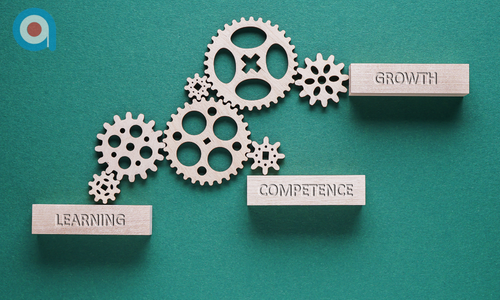
Coaching Skills Every Manager Should Develop
While coaching may sound like a specialised skill, many of its core principles can be learned and applied by managers in everyday conversations.
One of the most important coaching skills is active listening. Managers who listen carefully create space for employees to express ideas, reflect on challenges and explore solutions more openly.
Another key skill involves asking thoughtful questions. Instead of immediately providing answers, managers can encourage deeper thinking by asking questions that help individuals consider different perspectives.
Providing constructive feedback also plays an important role. Coaching conversations often involve helping individuals reflect on their performance and identify ways to improve while maintaining confidence and motivation.
Many organisations introduce structured coaching frameworks to support managers in these conversations
When managers develop these skills, everyday conversations become opportunities for learning and growth rather than simply performance monitoring.
Creating a Coaching Culture in Organisations
While coaching can be highly effective at an individual level, its real impact is seen when organisations embed coaching more broadly within their leadership culture.
Organisations that encourage coaching approaches within management conversations often experience stronger collaboration, improved communication and greater employee engagement.
This often begins with leadership development programmes that introduce coaching skills to managers. Over time, coaching becomes integrated into performance discussions, team development conversations and problem-solving meetings.
When coaching becomes part of the organisational culture, employees feel supported to explore ideas, develop their skills and take ownership of their work.
The result is a workplace environment where people feel trusted, valued and motivated to contribute their best.
Frequently Asked Questions
What is workplace coaching?
Workplace coaching is a development approach where managers support employees to reflect on challenges, explore solutions and improve performance through guided conversation rather than instruction.
How does coaching improve performance?
Coaching encourages employees to take ownership of their work, develop problem-solving skills and build confidence in decision-making, which leads to stronger engagement and productivity.
Is coaching the same as mentoring?
No. Mentoring typically involves sharing advice and experience. Coaching focuses on helping individuals develop their own thinking and solutions.
Can managers learn coaching skills?
Yes. Many organisations train managers in coaching skills so they can support team development, improve communication and encourage greater accountability within their teams. We include coaching skills in all of our Leadership and Management courses look here .
Final Thoughts
Organisations that develop coaching capability within their leadership teams often see significant improvements in both performance and engagement.
When managers learn to coach rather than simply direct, employees gain confidence in their abilities and take greater ownership of their work. This creates stronger teams, better problem-solving and more sustainable leadership development.
Ultimately, coaching helps organisations move beyond task management and create workplaces where people grow, contribute and perform at their best.
Contact us to learn more on our coaching services and Leadership & Management Courses all bespoke to your organisation.
About the Author