We are using cookies to collect data that help us give you the best experience of our site, by continuing to use the site, you are agreeing to our use of cookies.
Read more


 0800 302 9344
 Info@targettrg.co.uk
Coaching vs Training: Understanding the Difference (And Why You Need Both)
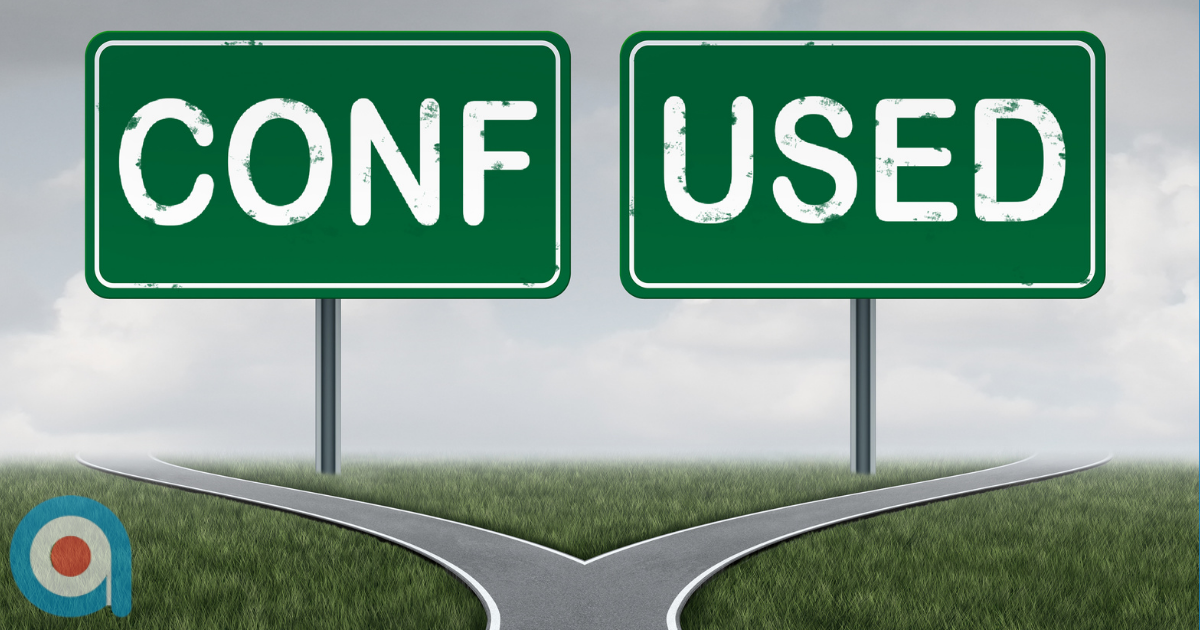
Coaching and training are two of the most widely used development tools in organisations today, yet they are still often misunderstood. Many managers think training and coaching are interchangeable, or they treat coaching as simply “training with questions.” Others believe coaching is something you do after training, rather than a powerful development tool in its own right.
These misunderstandings stop organisations from gaining the full benefit of workplace coaching, and prevent managers from using coaching skills confidently, effectively and at the right time.
In This Article, You Will Learn –
- Why so many managers misunderstand the difference between coaching vs training
- How confusion leads to poor use of both tools
- Why using coaching and training together improves performance, confidence and behaviour change
- What each approach is designed to achieve
What Do We Mean by “Coaching vs Training”?
What is training?
Training provides knowledge, skills, tools and techniques. It is structured, planned and designed to teach someone how to do something. For example: communication skills, managing performance, handling difficult conversations or time management.
Training answers the question:
“What do I need to know or learn?”
If you want to build confidence in planning and delivering structured, effective sessions, a practical Train the Trainer course can give you the foundations and techniques you need.
What is coaching?
Coaching is a structured, reflective conversation designed to help someone think clearly, explore options and take ownership of their next steps.
Unlike training, coaching does not teach a skill, it helps people apply it. Unlike mentoring or advice-giving, coaching uses curiosity, listening and powerful questions to develop confidence and independent thinking.
Example:
Instead of saying (training or mentoring):
“Here’s what you should do…”
A coach asks:
“What options have you considered, and what feels like the best way forward for you?”
This difference is the heart of effective coaching, and why coaching vs training are not the same.
Why This Matters
Common Challenges:
- People confuse training, coaching and mentoring
- Managers default to “fixing” or teaching, even when coaching is needed
- Without coaching, training is quickly forgotten
- Coaching feels slow or uncomfortable without understanding the process
Improvements When Done Well:
When the difference between coaching and training is understood:
- Teams apply what they learned
- Individuals think for themselves and stop relying on their manager
- Real behaviour change occurs
- Performance improves
- Confidence grows naturally
- The organisation develops a stronger coaching culture
- Training investments finally deliver long-term results
Training builds knowledge.
Coaching builds capability, confidence and application.
This is where the real benefits of using both tools show themselves.
For more information on our coaching services, you can explore our Coaching Services page.
Key Principles
Principle 1 – Training Teaches, Coaching Transforms
Training gives people the tools; coaching helps them use those tools in real situations.
Principle 2 – Training Gives the “What”, Coaching Gives the “How”
Training provides information and models. Coaching helps people use those models with their own teams, challenges and personalities.
Principle 3 – Training Is a Moment, Coaching Is a Process
Training happens on a day. Coaching happens over time, and this is what creates sustained behaviour change.
How to Get Started
- Ask before you instruct. Add one coaching question into your next conversation.
- Notice when training is enough and when coaching is needed.
- Follow up training sessions with coaching, not more information.
- Encourage independent thinking rather than stepping in with solutions.
These small shifts immediately improve both your coaching and your training conversations.
Where Our Courses Fit In
In our Management & Leadership training programmes we have built in practical training skills with real coaching skills development.
Workshops give managers the knowledge they need, while group coaching and 1–1 coaching help them apply those skills in real situations, where behaviour actually changes. This combined approach is what makes our programmes so effective.
For trainers and subject matter experts who need to design and deliver training as part of their role, our ILM-accredited Train the Trainer courses provide a simple, effective framework for creating engaging, confident training sessions.
Common FAQs
Is coaching the same as training?
No. Training teaches skills; coaching helps people apply those skills confidently in real life.
Why doesn’t training alone create behaviour change?
Because people need time, support and space to think. Coaching provides that.
Do I need coaching after training?
Yes, coaching helps embed the learning long after the training session ends.
Where Do I Go for More Information?
If you want confidence in coaching, whether it’s coaching skills for management & leadership or more advanced professional coaching skills, contact us on 0800 302 9344 or email info@targettrg.co.uk to choose the right option for your team.
If you also want to develop confident, engaging trainers in your organisation, explore our ILM-accredited Train the Trainer programmes to support the training side alongside your coaching culture.
About the Author